Role
UX Designer
Project Manager
Team
9 members
Timeline
June 2024-Present
The Challenge
Student success is too often defined by test scores, which overlook the cognitive and environmental factors that shape learning. Many students struggle not from lack of potential, but from underdeveloped executive function skills and unequal access to resources - especially in computing.
The subjects available to students in school often reflect the available resources in the community, resulting in large gaps in education due to lack of resources.
These educational gaps become increasingly wide as students move through primary and secondary education into higher education.
Our Solution
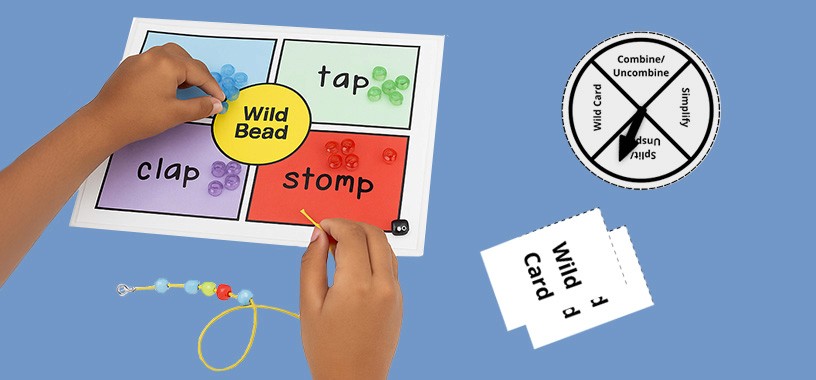
Using the Science of Learning, I designed Byte Beads, a playful unplugged learning experience that introduces children to high-level computational thinking through accessible, game-based activities. By embedding executive function (EF) practice - such as working memory, cognitive flexibility, and inhibition control - into engaging game play, the solution fosters both cognitive growth and deeper investment in a child’s own learning, without relying on specialized technology or resources.
Objectives
Meet Byte Beads
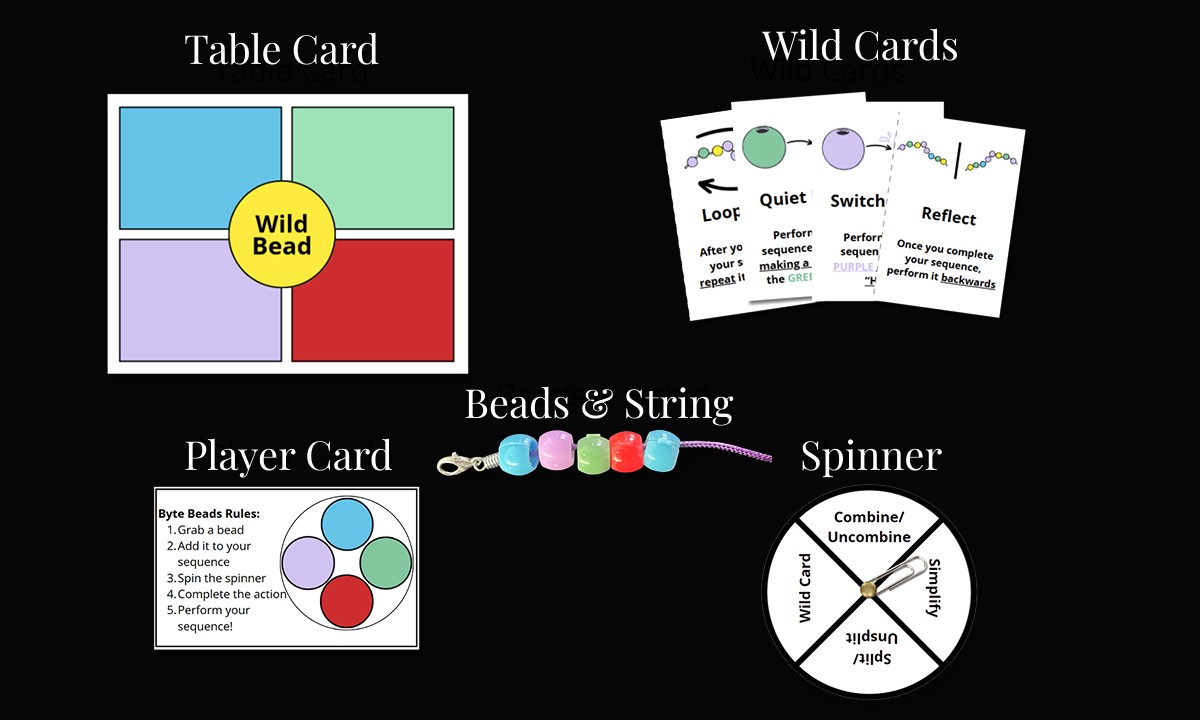
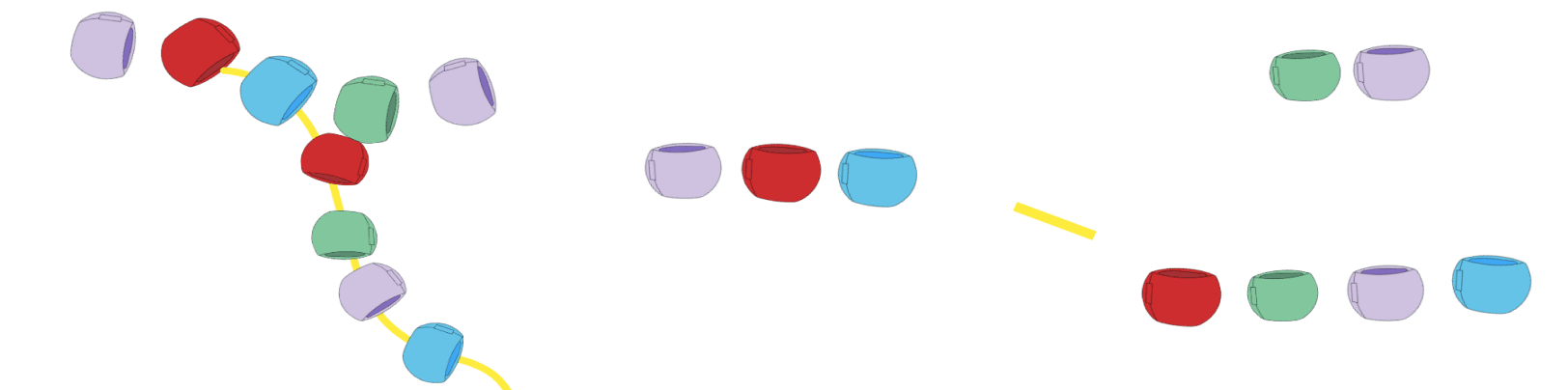
Byte Beads uses beads and strings to create sound sequences for the players to follow and create through movement.
Players will be challenged by the increasing complexity of the sequences and encouraged to engage in collaboration with the other players through various game conditions.
The dynamic structure of the game ensures a unique game experience each time, encouraging learners to stay engaged and return for more growth and creative exploration.
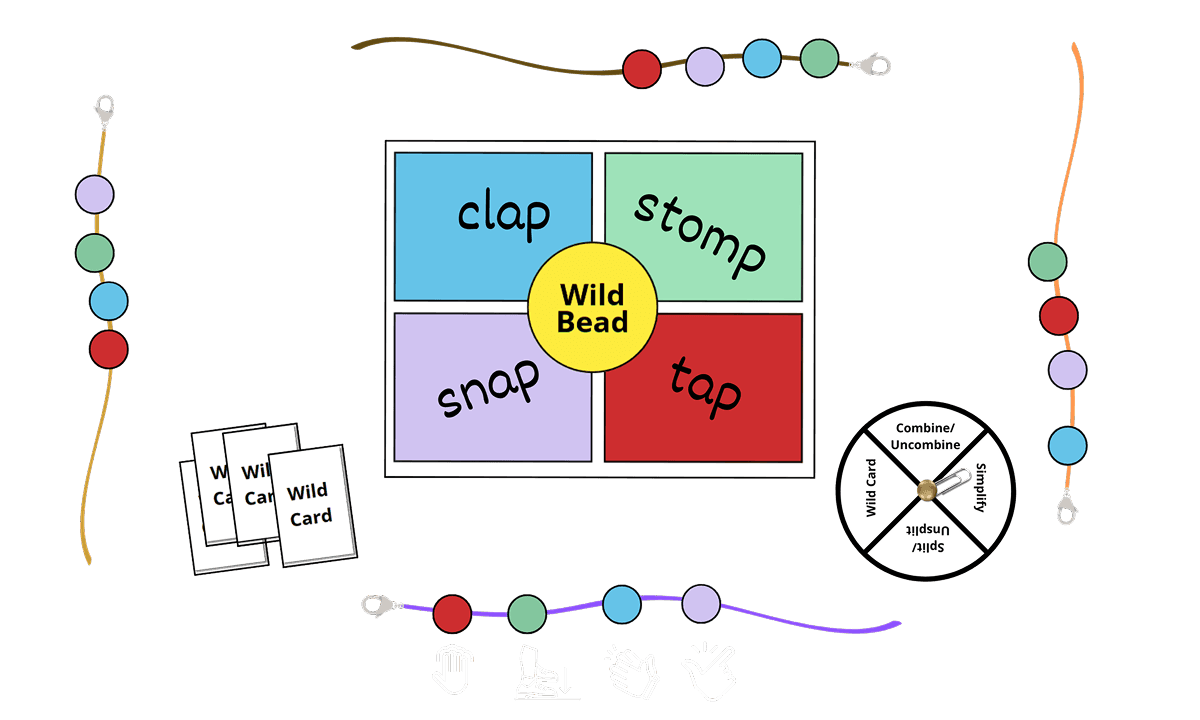
Table Card
Wild Cards
Player Card
Spinner
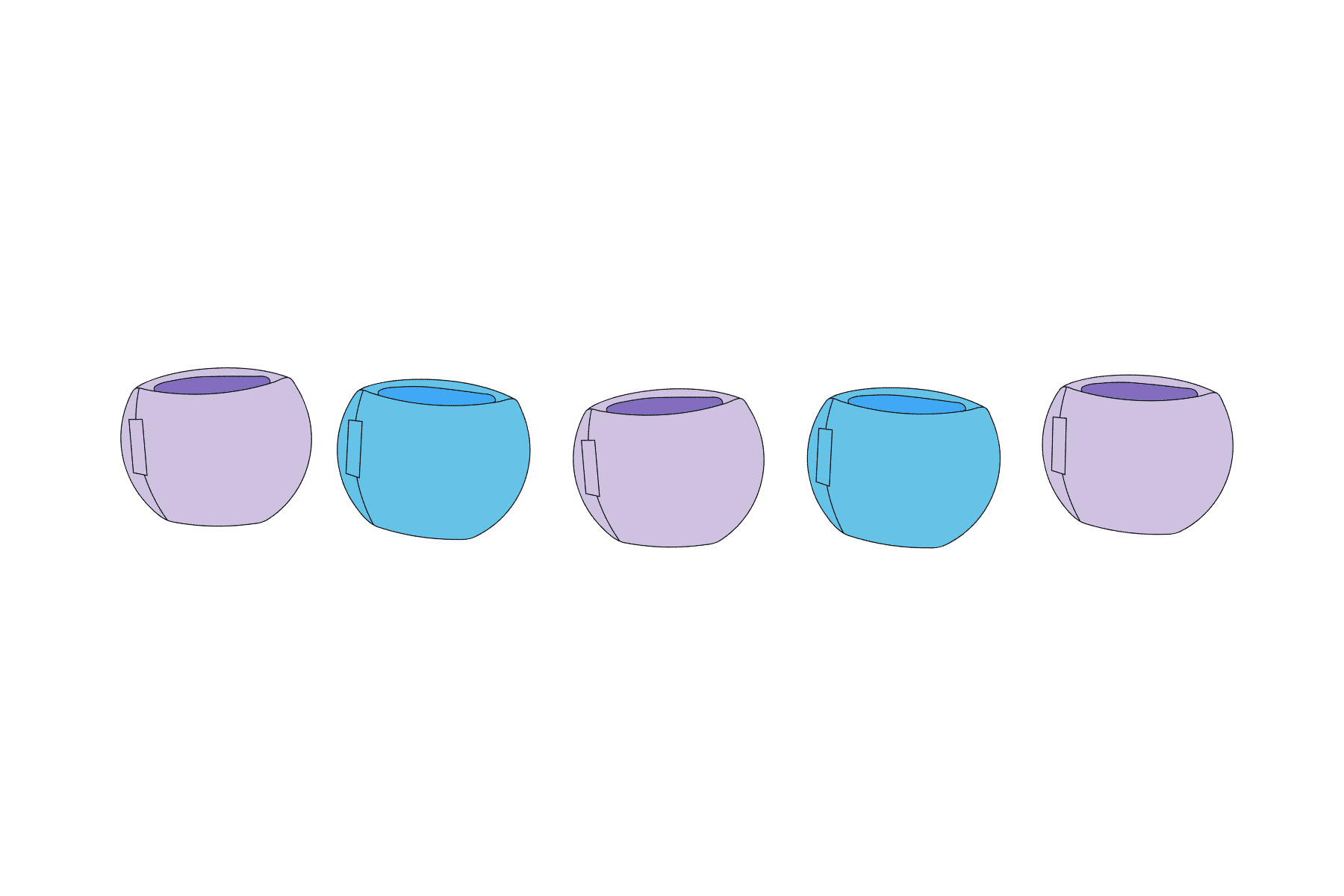
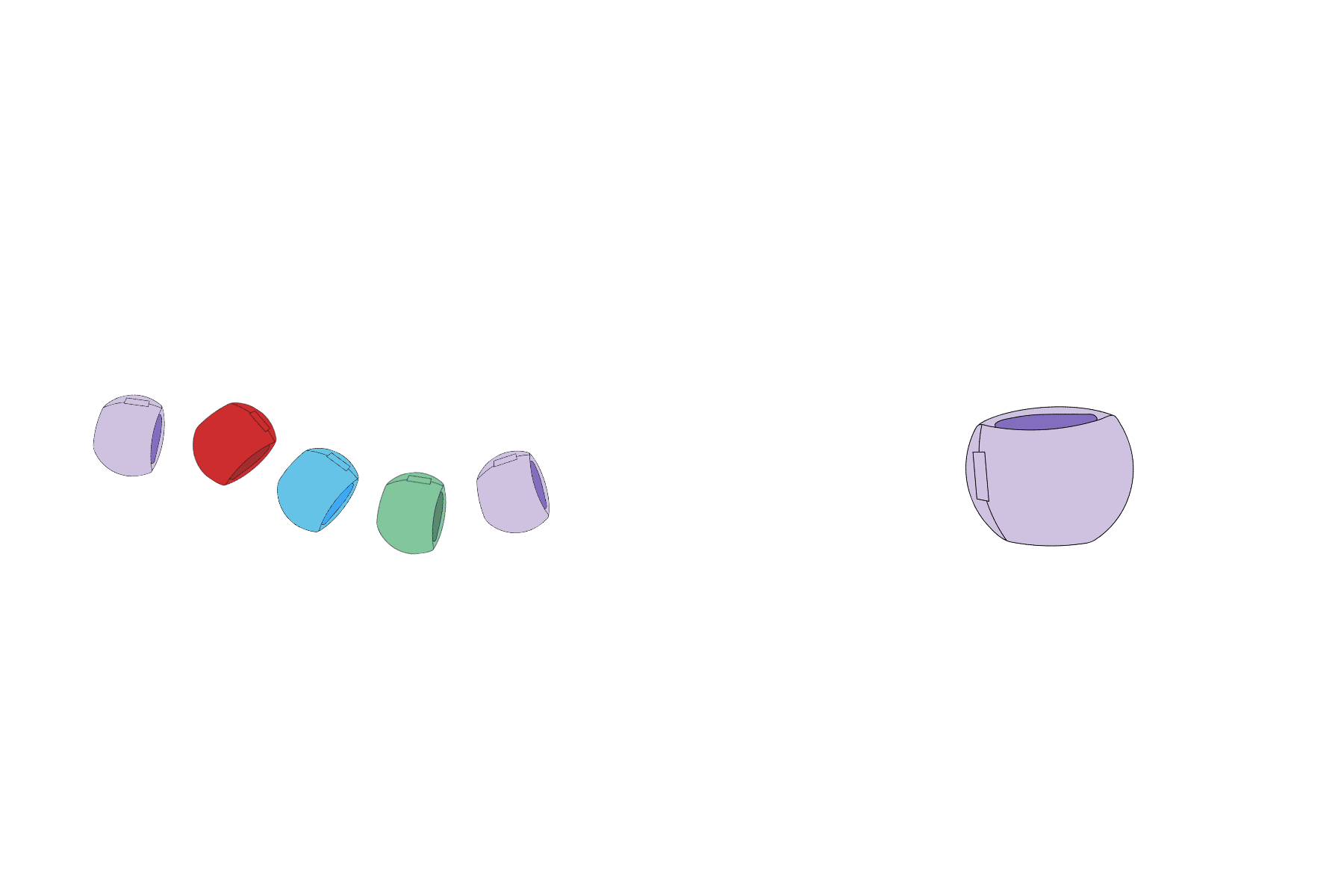
Prototyping Game Pieces
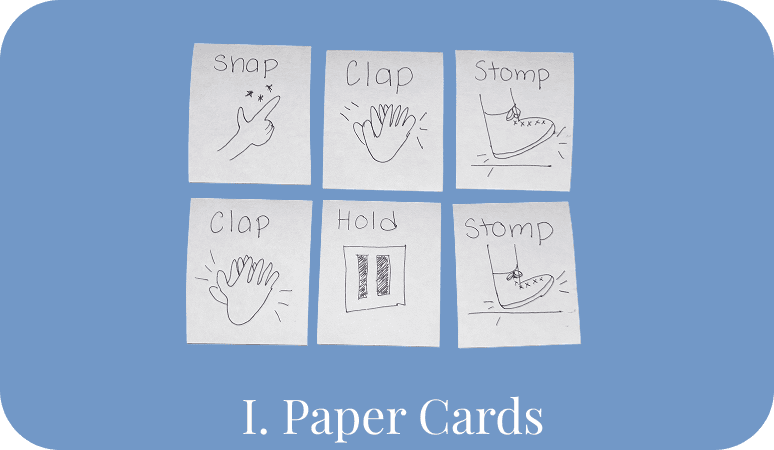
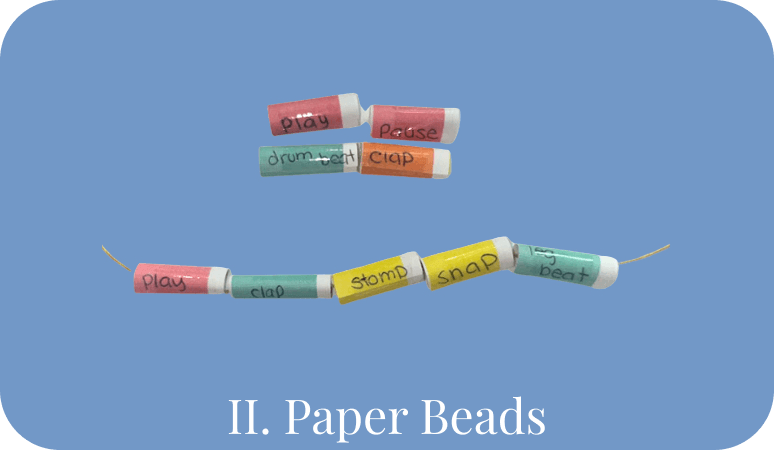
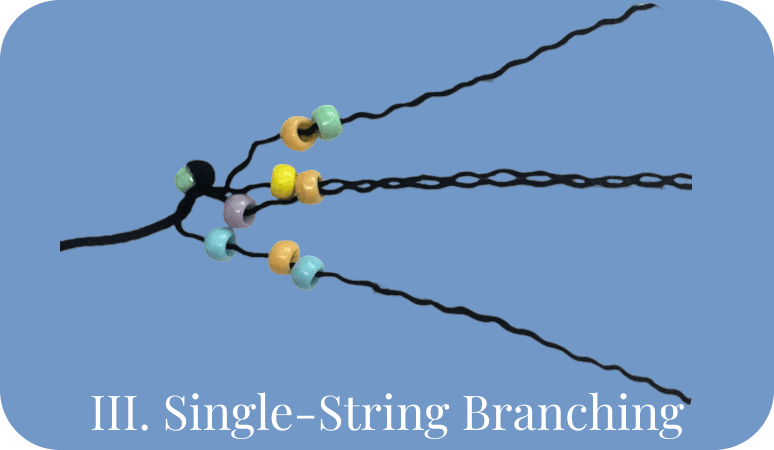
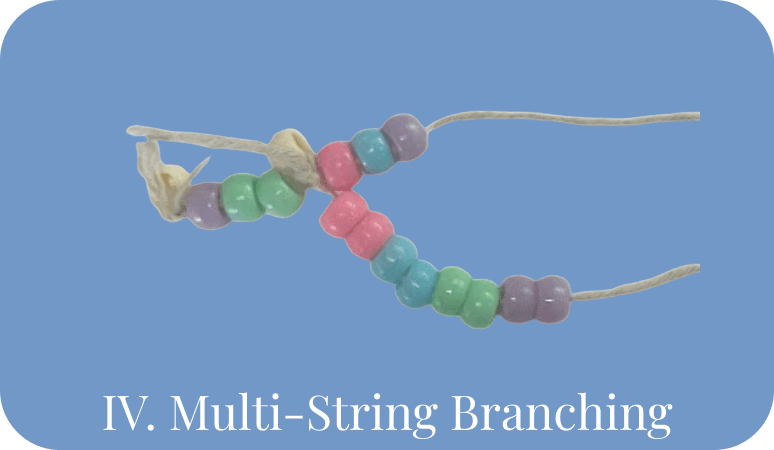
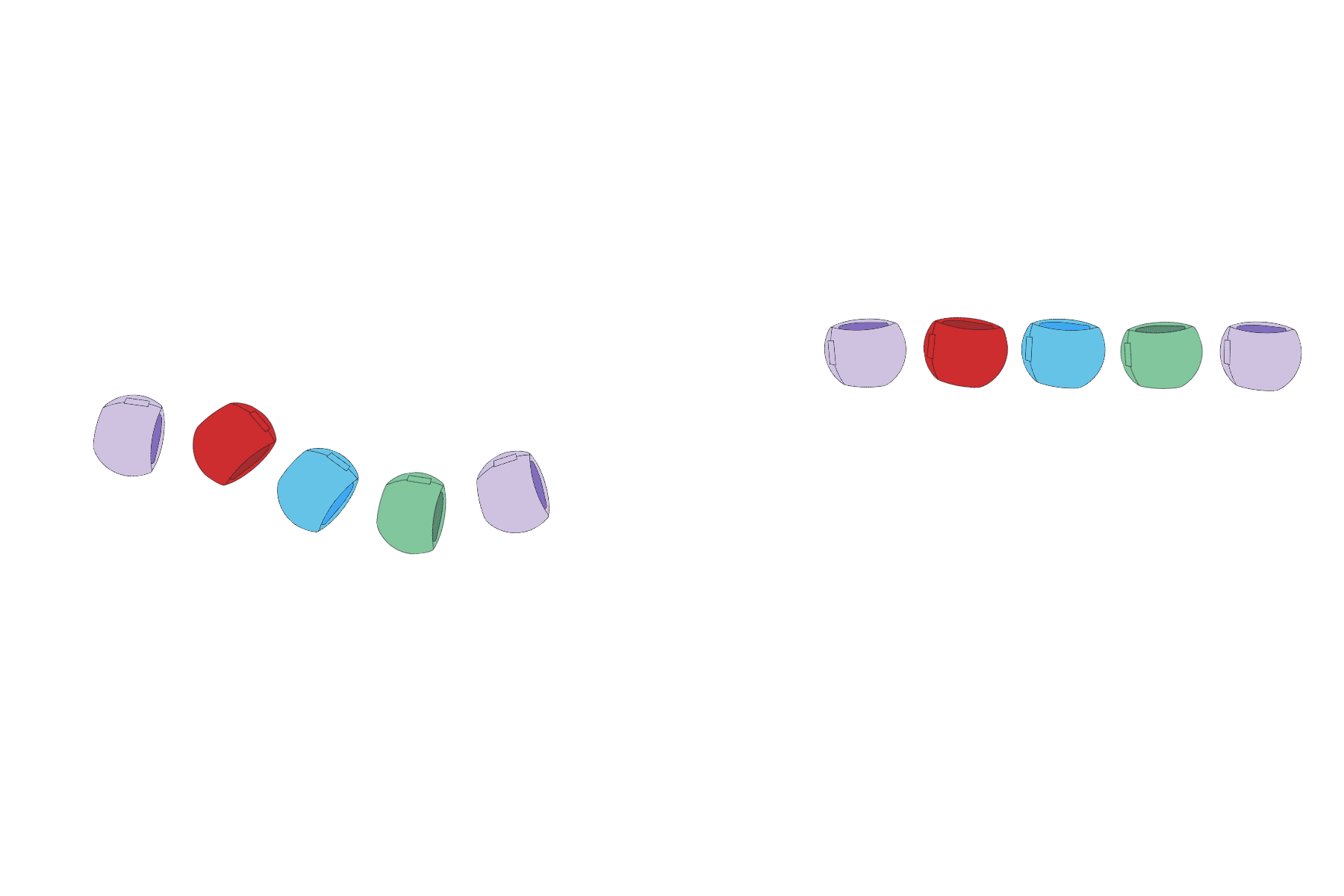
Prototyping Game Mechanics
User Testing
Qualitative Interviews & Observations
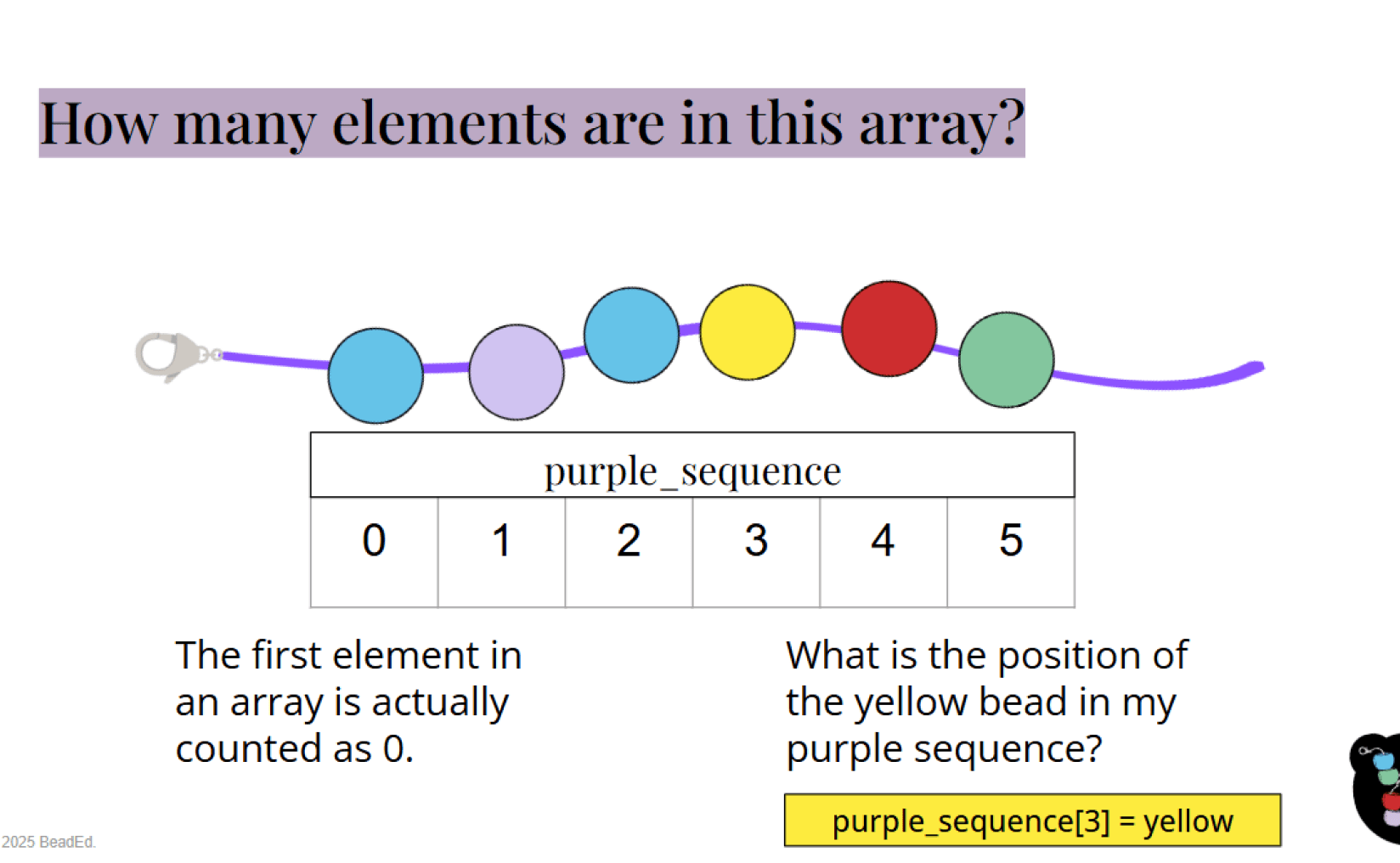
After 15 exploratory focus groups with lab members, I piloted Byte Beads in a San Diego seventh-grade classroom. Using a slide deck, I introduced the rules and components, then observed 11 students who chose to participate during their homeroom session.
Following a 30-minute play session, my lab partner and I conducted informal qualitative interviews with the students to capture their firsthand impressions, reflections, and feedback on the game play experience.
“How can I move one bead without taking them all off the string?”
“Do we have to use those specific sounds every time we play the game?”
“Why are we playing this game in school, what are we learning?”
Pedagogical Design
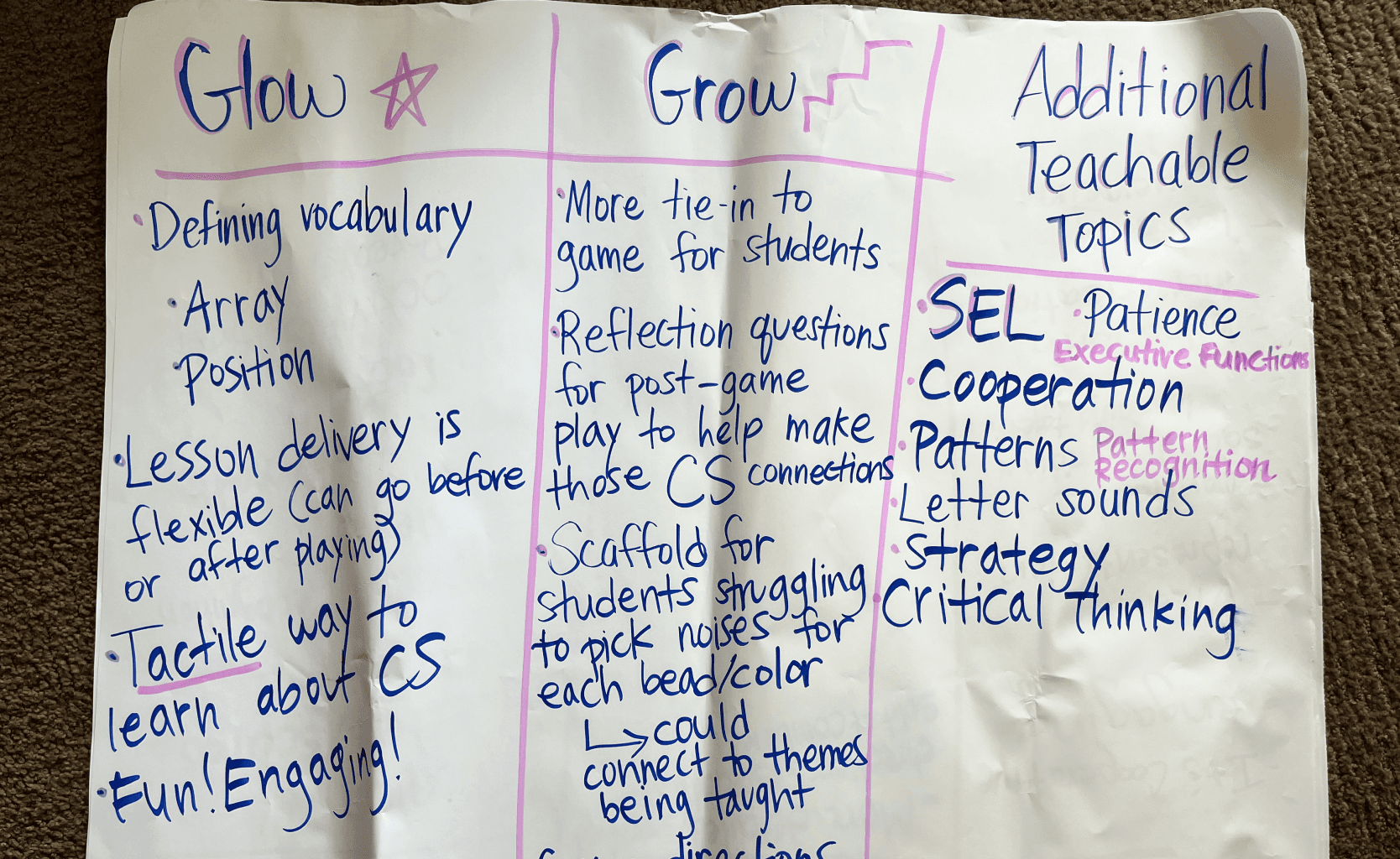
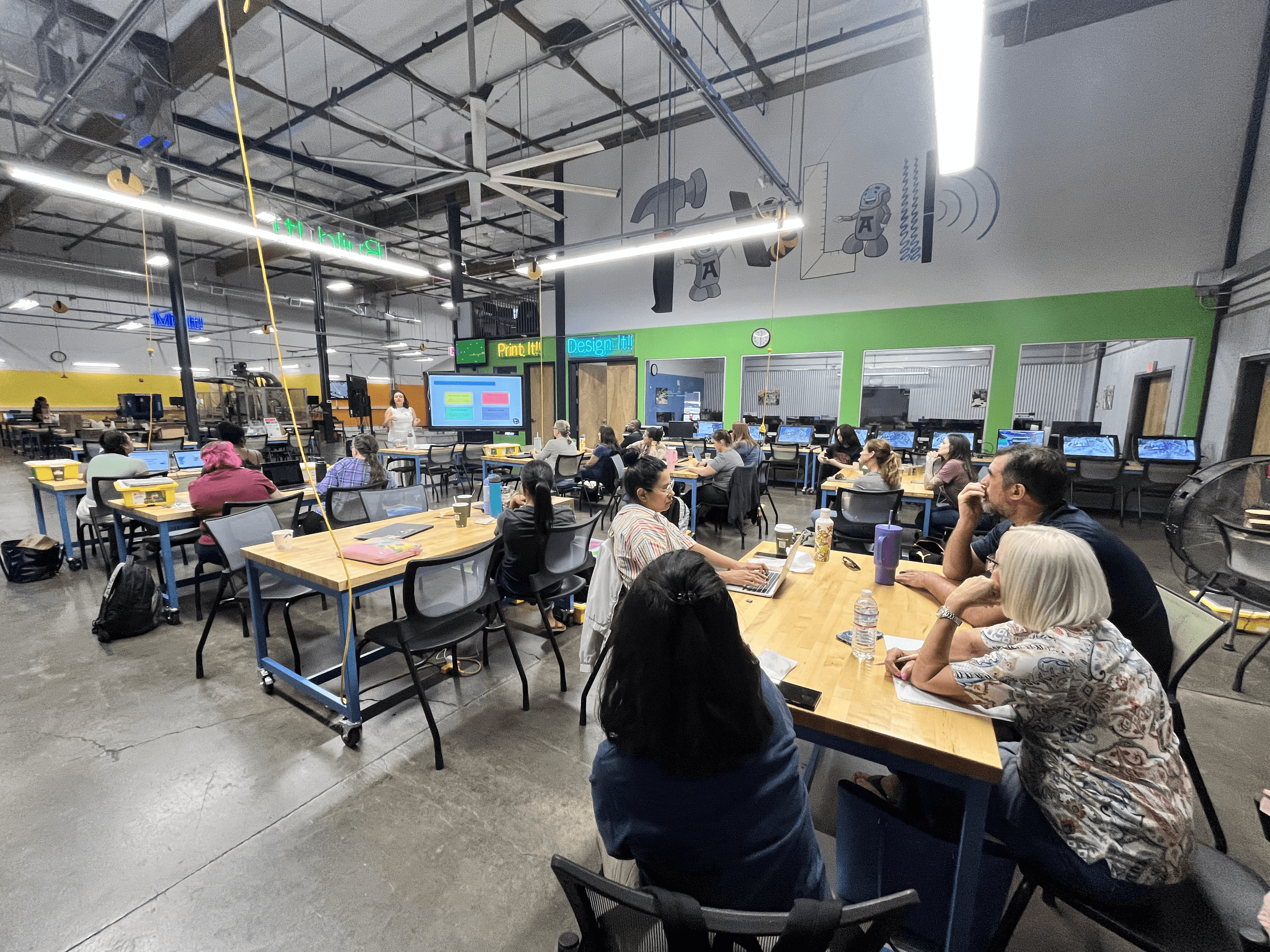
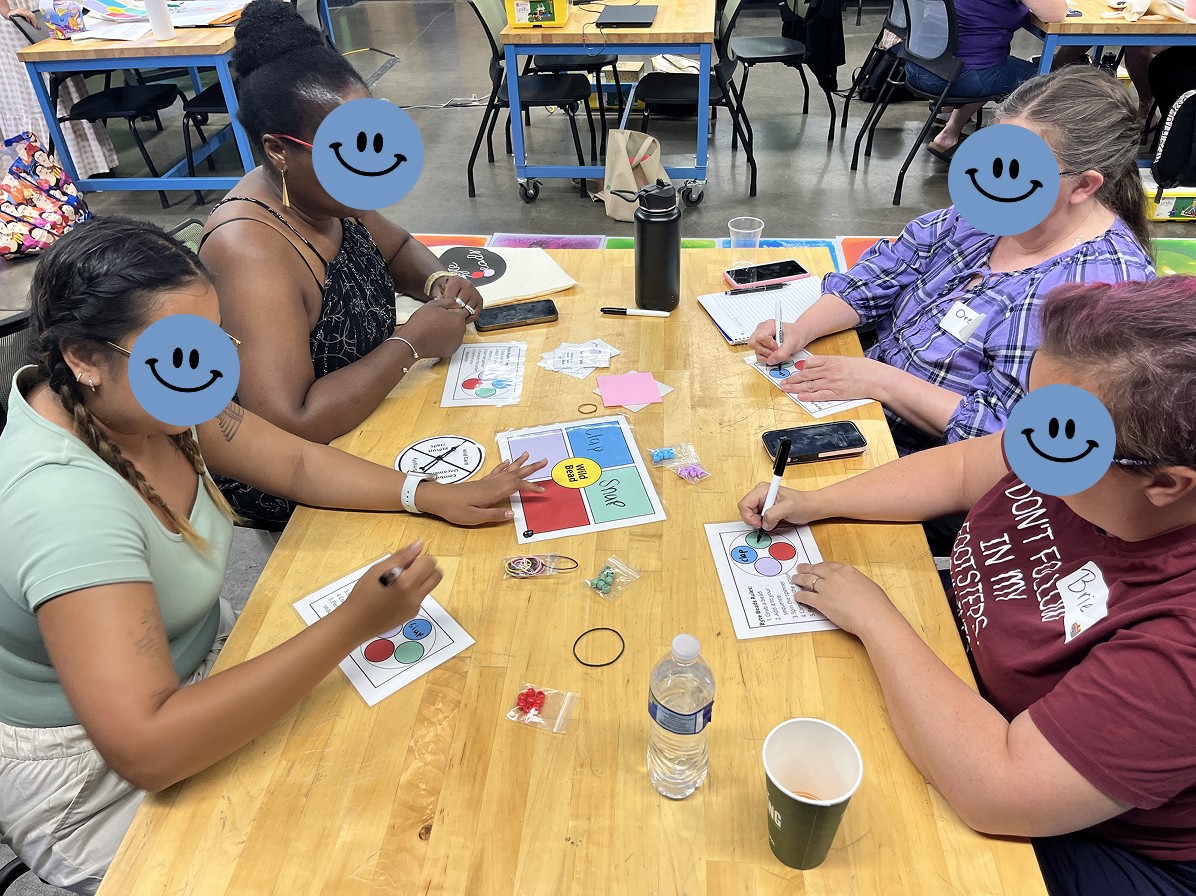
I facilitated a professional development training at the San Joaquin County Office of Education, partnering with educators to evaluate Byte Beads' effectiveness in the classroom, as well as possible points of ambiguity that could hinder its success.
next steps